
Truck wheel bolts are critical safety components that secure tires and wheels. Regular and standardized inspection is essential to prevent wheel loosening, falling off and other serious road accidents. Below are the complete inspection procedures and key check points for truck wheel bolts.
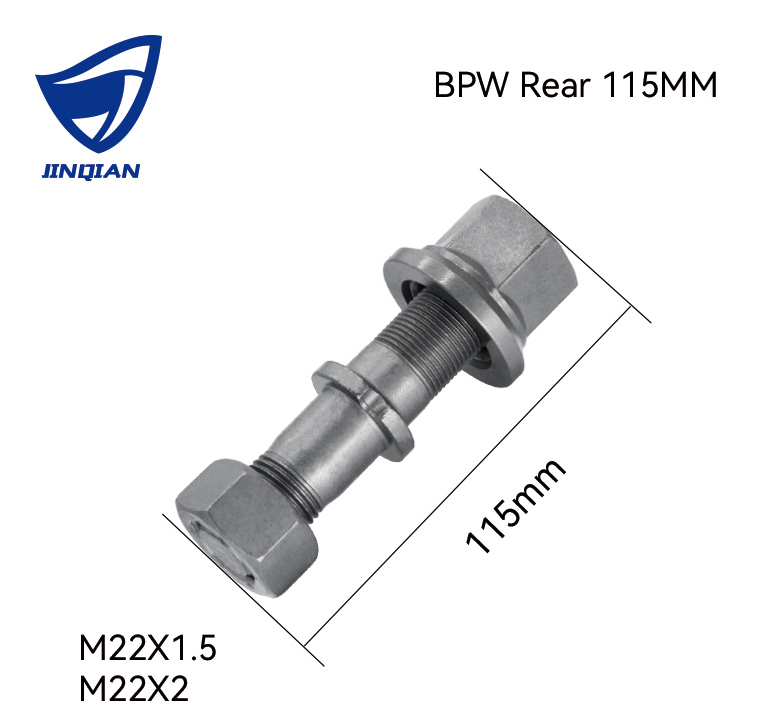
1. Visual Inspection
Visual check is the first and basic step, which can quickly identify obvious defects.
- Observe the overall appearance of each bolt and nut. Check for cracks, deformation, rust, corrosion, scratches and thread damage. Severely corroded or cracked bolts must be replaced immediately.
- Check if all nuts are fully attached to the wheel hub. Look for missing bolts, loose nuts and uneven nut positions.
- Inspect the contact surface between bolts, nuts and wheel. Make sure there is no foreign matter, wear or indentation that affects fastening performance.
2. Thread Inspection
Complete threads guarantee stable fastening force.
- Use a thread gauge to test the internal and external threads. Reject bolts with worn, stripped or distorted threads.
- Check thread lubrication. Proper anti-seize lubricant can avoid thread rust and seizure; excessive or insufficient lubrication will affect torque accuracy.
3. Torque Detection
Torque test is the core inspection item to ensure fastening tightness.
- Use a professional torque wrench to detect the tightening torque of each wheel bolt. Follow the manufacturer’s standard torque value strictly.
- Test in cross sequence instead of linear order, to avoid uneven stress on the wheel hub.
- Record the torque data. If the torque is lower than the standard value, re-tighten to the specified range. Frequent torque loss indicates potential hidden troubles.
4. Hardness & Material Testing
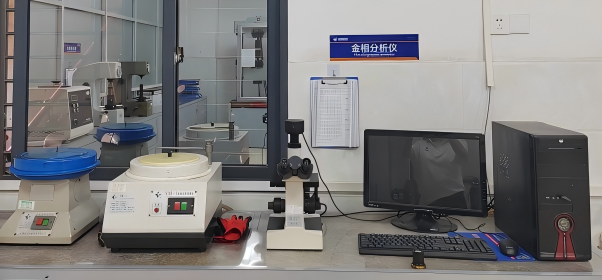
High-strength truck wheel bolts require stable mechanical properties.
- Conduct hardness test with a hardness tester to verify if the product meets grade standards (such as Grade 10.9 and 12.9). Unqualified hardness will lead to bolt fracture under load.
- Sampling inspection on raw material composition. Ensure the material complies with industrial standards to guarantee tensile strength and fatigue resistance.
5. Fatigue & Tensile Test
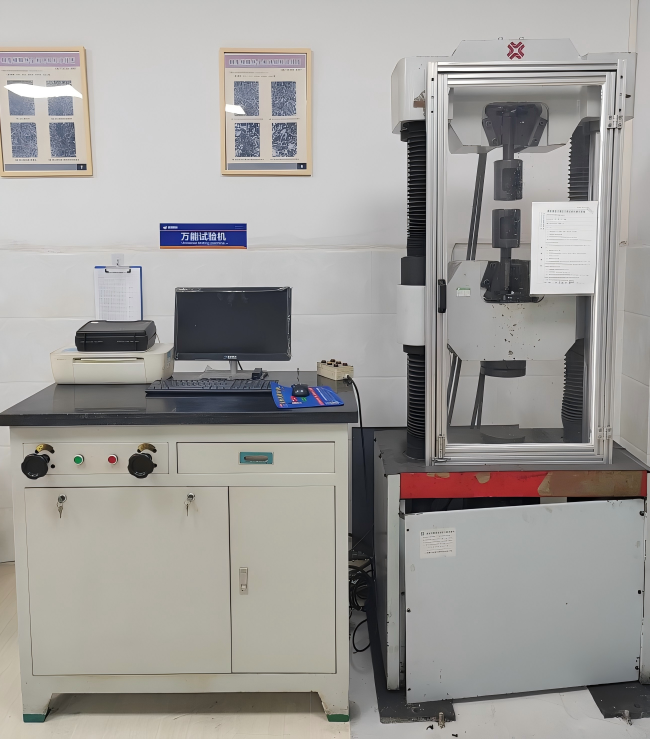
This is a destructive sampling test for batch quality control.
- Carry out tensile tests to check the ultimate bearing capacity of bolts. Unqualified products will break under rated tension.
- Run fatigue tests to simulate long-term vibration and load during truck driving. Eliminate bolts prone to metal fatigue and fracture.
6. Salt Spray Corrosion Test
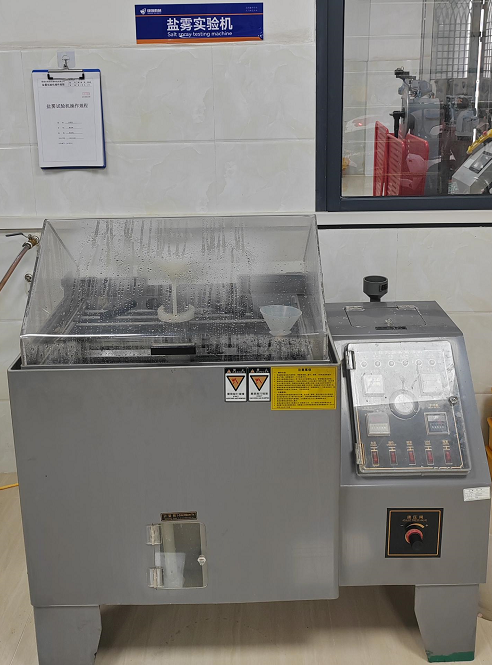
Applicable to quality inspection before delivery and long-term use assessment.
- Place samples in salt spray test chamber for a certain period. Observe the anti-corrosion performance of bolts.
- Bolts with poor surface treatment will generate rust quickly, which shortens service life and brings safety risks.
7. Regular Re-inspection Rules
- Daily pre-trip inspection: Simple visual check to confirm no missing or obviously loose bolts.
- Routine maintenance inspection: Complete visual and torque detection every 10,000 to 20,000 kilometers.
- Periodic comprehensive testing: Conduct hardness, tensile and corrosion tests on a regular basis for in-use bolts and new inventory goods.
Conclusion
Truck wheel bolt inspection covers appearance, thread, torque, mechanical performance and corrosion resistance. Strict implementation of all inspection standards is not only a guarantee of product quality, but also the most important line of defense for driving safety. All maintenance staff and manufacturers should follow standardized inspection processes to keep wheel bolts in good working condition.
Post time: May-27-2026